
More than a printer
FASTPART Kunststofftechnik, based in Marzahn, supports customers with 3D printing from the initial idea right through to the finished part
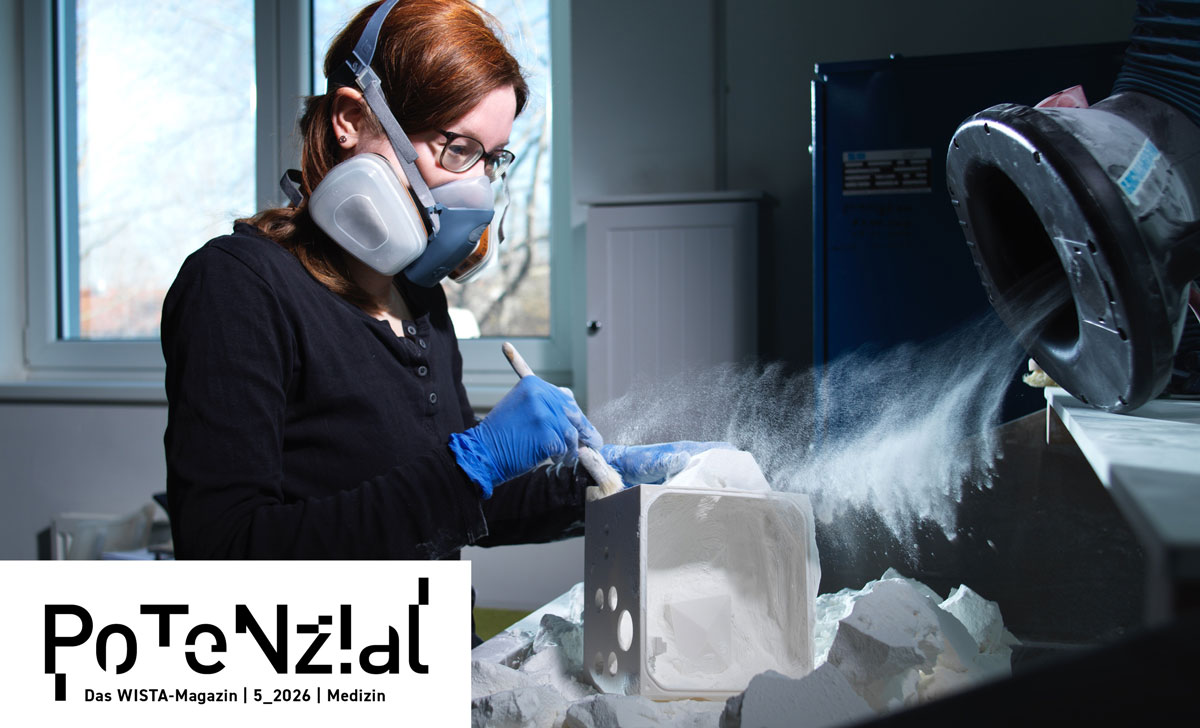
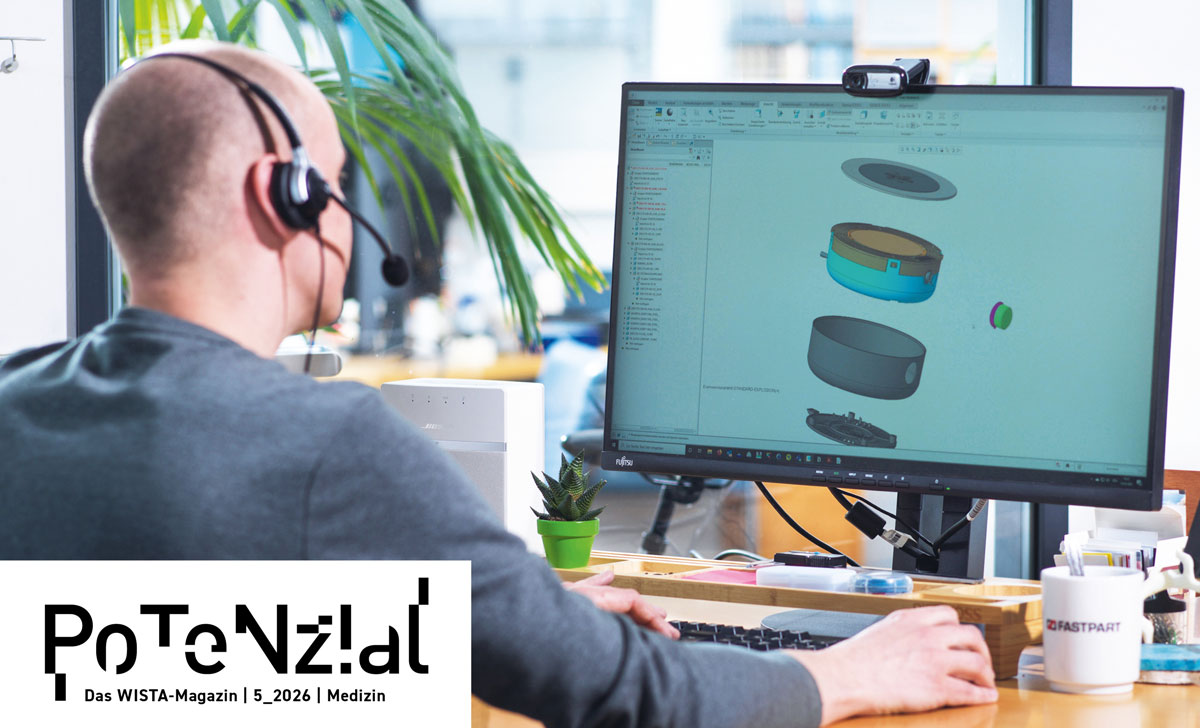
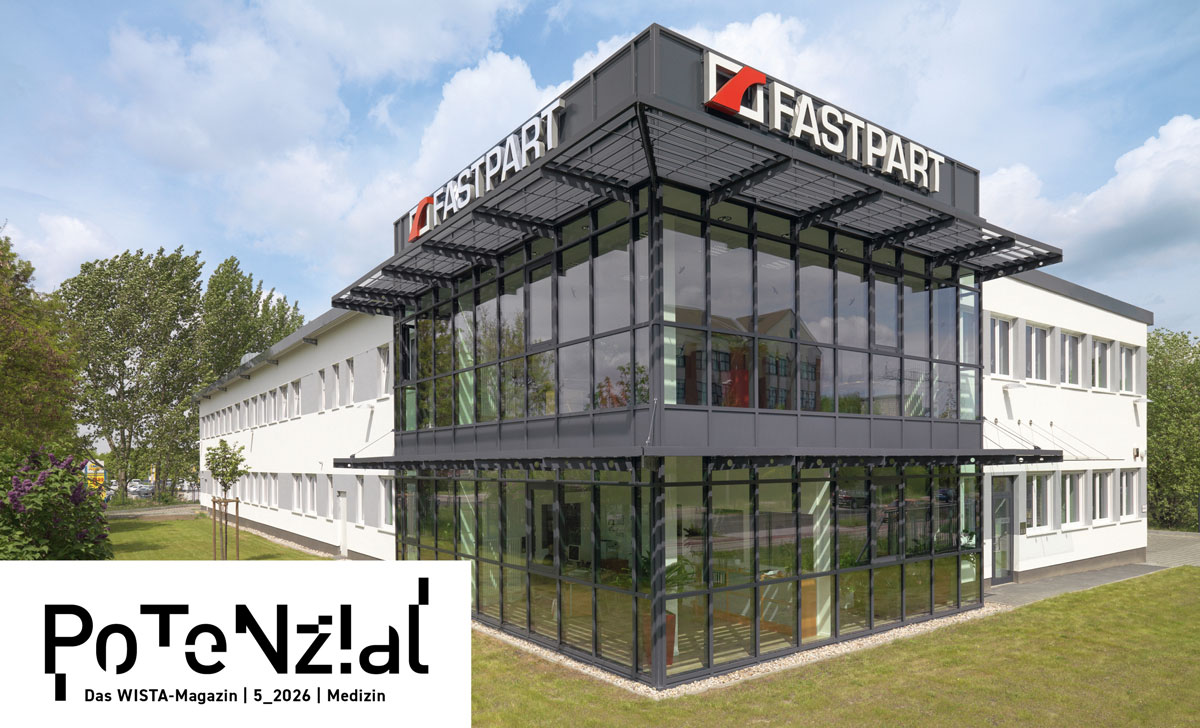
3D printing doesn’t start at the machine. FASTPART Kunststofftechnik in Marzahn supports customers from the initial idea through prototyping to small-batch production and also manufactures components for medical technology.
The nozzle precisely extrudes the liquid plastic. Layer by layer, a structure takes shape behind the glass viewing window. It is not yet a finished product. It’s a prototype: something that can be tested, modified, presented, and perhaps later manufactured in a small series. At some point, it may become a device that is bought, installed in machinery or used in everyday medical practice.
From the outside, 3D printing looks like a straightforward process: feed in a digital file, get a finished part out. For simple models, that may be true. In industrial practice, however, the work usually begins earlier. And it doesn’t end when the machine stops.
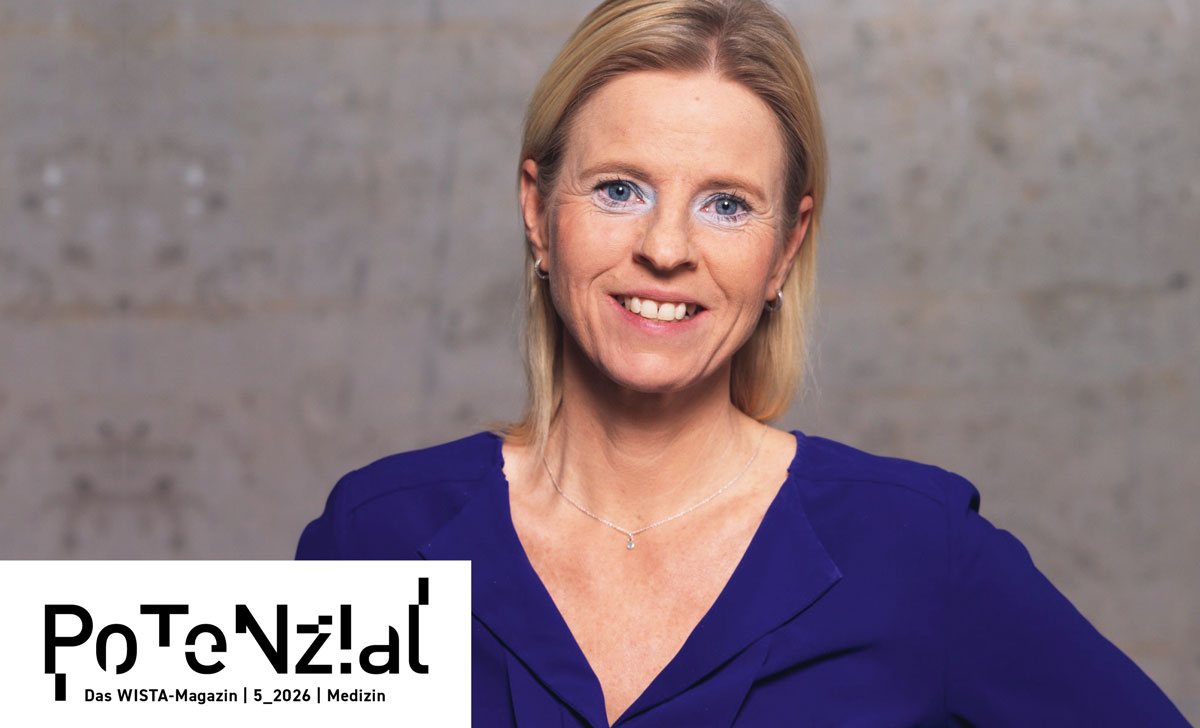
FASTPART Kunststofftechnik GmbH operates at precisely this point in the CleanTech Business Park Berlin-Marzahn. “Our customers often come to us with little more than an idea or a sketch,” says managing director Aranka Waßmann. “We then support them from the design and prototyping stages through to the finished part.”
The company has been around since 1997. What began as a rapid-prototyping service provider has grown into a company with around 30 employees, manufacturing prototypes, one-off parts, pre-series and small batches from plastic. The old term may sound somewhat dated today. But the core principle behind it remains: Components are produced quickly, close to the development process, and often long before conventional series production becomes worthwhile.
Today’s umbrella term, 3D printing, covers several processes at FASTPART, selected according to the component, surface, load and quantity required. In laser sintering, robust components are produced from polyamide powder. Stereolithography delivers particularly precise parts with a smoother surface. For pre-series and small batches, FASTPART also uses vacuum casting. First, a silicone mould is made from a prototype, allowing small quantities to be produced without having to build an injection moulding tool straight away.
The route to the finished part is not always the same. Some components are printed or cast, while others are milled or thermoformed. A second stage of work often follows: removing sprues and flash, drilling holes, painting surfaces or assembling components. Which steps are required is often decided not in the workshop but during the consultation process—based on the material, the shape, the expected loads, and what the customer plans to do with it next. “We don’t just sell machine time; above all, we sell experience,” says the managing director.
Customers from the medical technology sector also draw on this expertise. “Our biggest long-standing customer by revenue is Berlin Heart,” says Waßmann. “We worked with them back then to co-develop the EXCOR ventricular assist systems.” The system supports patients waiting for a donor heart. FASTPART manufactures battery housings and housing components for it, among other things.
In Marzahn, the company also produces housings, buttons and rotary switches for Schwerin-based company Human Med. They are used in a device for water-jet liposuction, in which fatty tissue is loosened using a fine jet of water. Not every application involves going under the skin, however. For the well-known keyboard and mouse manufacturer Cherry, FASTPART developed a hygiene mouse and keyboard solution. The idea came from the medical sector, where clinics, medical practices, and laboratories have particularly stringent requirements for cleaning and disinfection.
Medical technology illustrates particularly well why small-batch production and experience go hand in hand. “The quantities here are often so small that conventional series production isn’t worthwhile,” says Waßmann.
At the same time, materials need to remain available over the long term, documentation has to be retained for longer periods, and quality and precision must remain consistent. FASTPART is not limited to this one sector, however. Plastics are needed in many areas, from automotive to measurement and control technology.
The fact that more and more companies now have their own 3D printers does not concern Waßmann. “The journey from a design to a robust, functional component isn’t completed by buying a machine,” she says. “Our customers come to us because we know where the obstacles are along the way.”
Kai Dürfeld for Potenzial
Your 3D printing service provider in Berlin - FASTPART (in German only)