
Improv, dance and the world of the future
Whether after work or at the weekend, people across the Adlershof campus pursue some remarkable passions. We spoke to three of them.
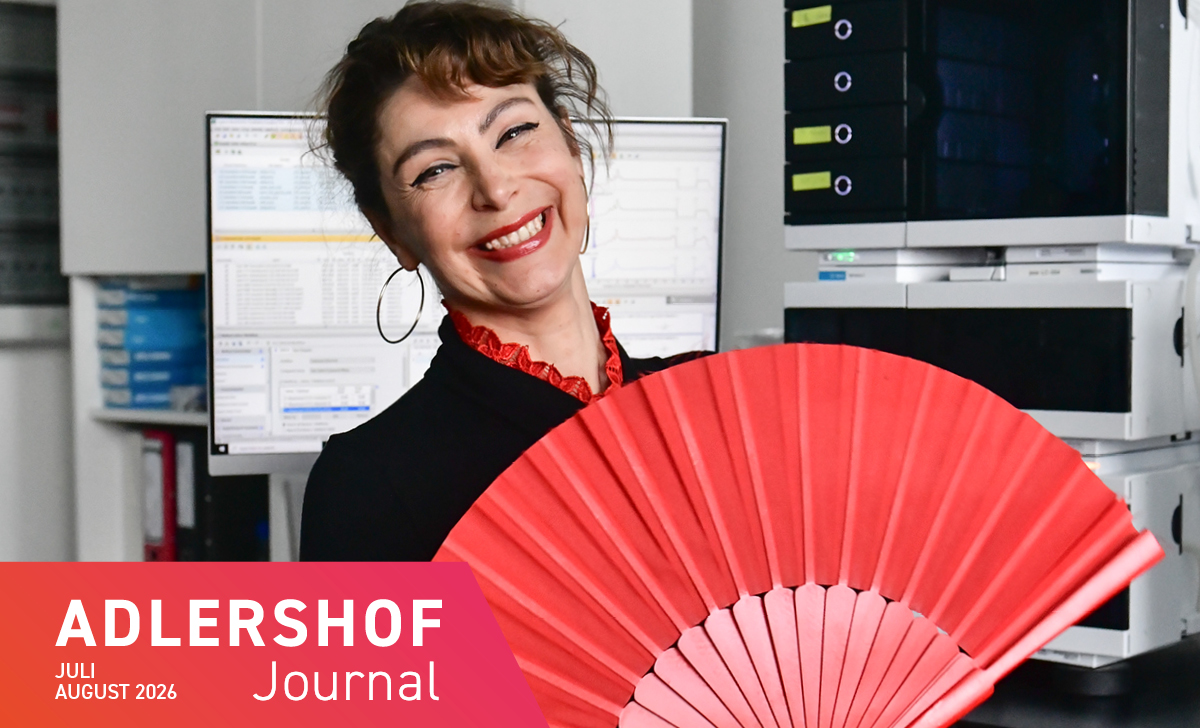
When Anna Romanotto wants to unwind after a day in the laboratory, she goes for a run. Occasionally she will sit herself behind her husband's drum kit. The 48-year-old is one of two authorised signatories at PiCA Prüfinstitut Chemische Analytik GmbH and is a member of the management team. As such, she is responsible for research and development as well as project management. Her work encompasses pesticide residue analysis, microplastics, natural substances and so-called NIAS (non-intentionally added substances). Outside work, she finds balance in very different worlds: gardening, painting, making her own natural cosmetics and fermented products, and learning foreign languages.
Her greatest passions, however, are flamenco and bonsai cultivation. “I came to flamenco almost by chance through a recommendation from friends,” she says. For her, it just clicked. “The beauty, expressiveness, and energy of the dance, which you can perform without a partner, immediately captivated me with its versatility and strength.” Today, she trains regularly and performs with an ensemble. One particularly memorable moment was appearing on the stage of Staatsoper Unter den Linden in July 2024. “Being able to perform on a real stage was an unforgettable experience,” she laughs. This year, the seven-member group has even begun developing its own flamenco theatre production with a Berlin-based director. Each dancer is creating her own choreography in the rhythm of flamenco. Romanotto has no doubt that this hobby will long remain part of her life. “Flamenco is powerful, emotional, demanding and incredibly liberating. It's my second self.”
She finds a quieter counterbalance in cultivating bonsai, describing the work on tiny trees as “my own place of Zen and meditation”. She feels particularly attached to a ficus she received as a gift when she completed her doctorate 20 years ago. Seven years ago, she transformed it into what she calls “a Japanese forest spirit”. “What fascinates me about bonsai is the creativity, the beauty of the miniature and its imperfections.” Many of the trees she works with would be rejected by commercial nurseries because of their unusual shape. “I give them a new life,” she says gladly.
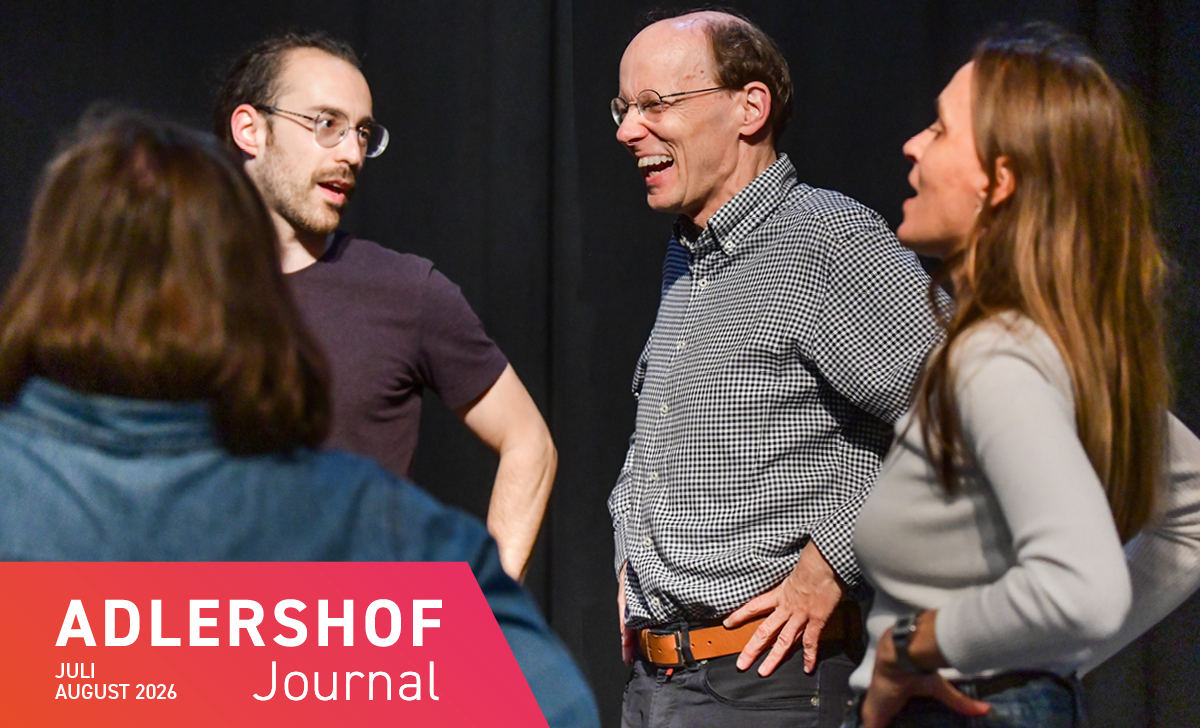
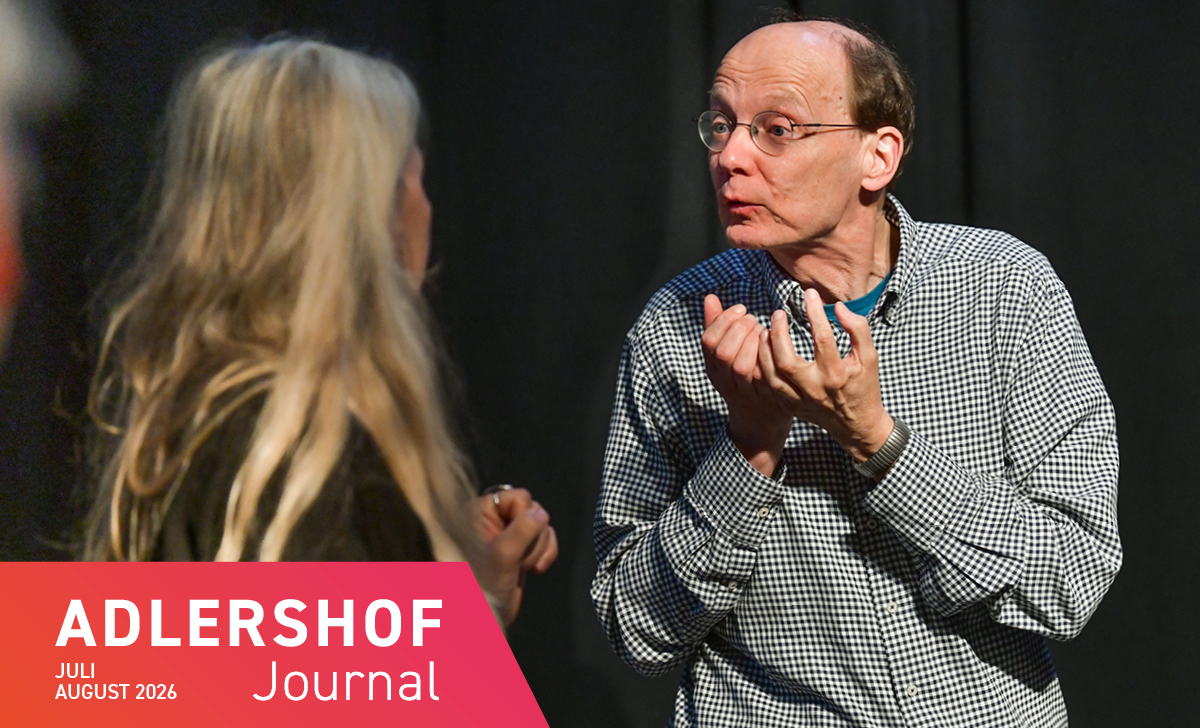
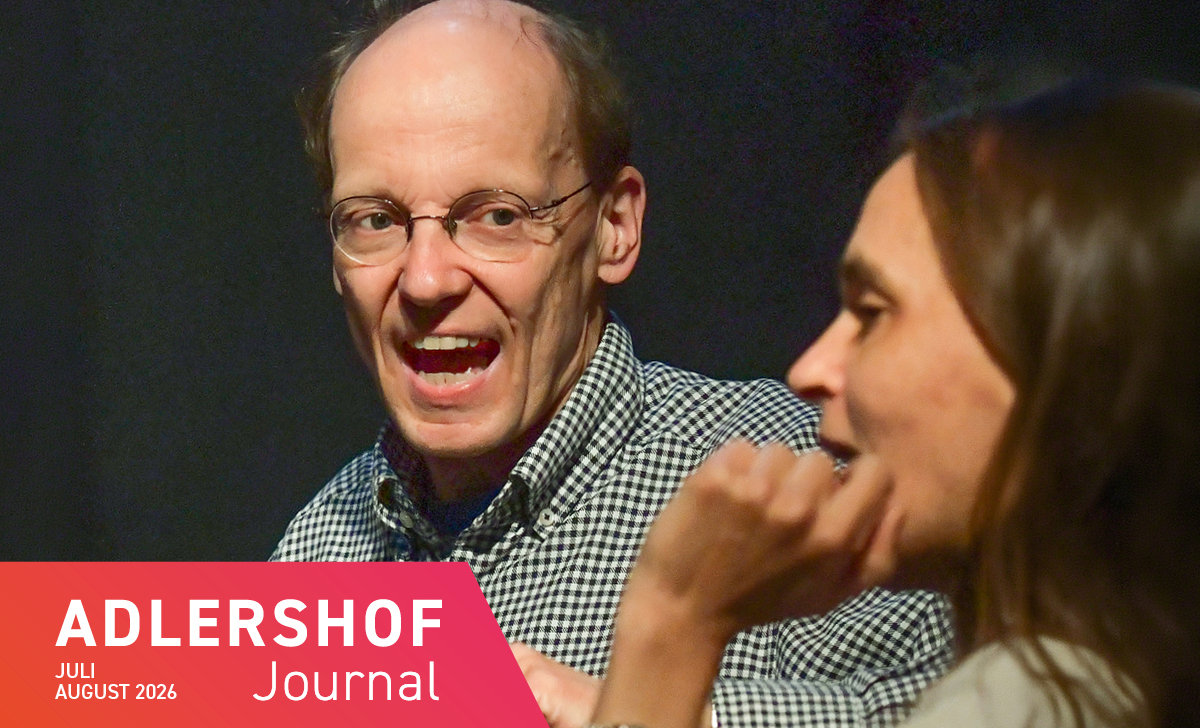
Christof Hamm works in Business Development at WISTA.Plan. Among other things, he advises on hereditary building rights and supports the relocation of technology companies, a role that often requires thinking years ahead. His hobby, by contrast, depends on spontaneity and adaptability: improv theatre. He has been performing for almost three decades. Sporadically at first, but he has been in regular groups from 2011 onwards. Since 2021, he has been with the Marianne36 theatre company, which rehearses at Künstlerhaus Bethanien in Kreuzberg and performs four to six times a year.
How did he get started? “My first experience of improvisational theatre was a course at the Charlottenburg adult education centre in 1997,” says Hamm, who describes himself as rather introverted—something that's hard to believe when you see him on stage (Editor's note). After a long break, he returned to improvisation in the late 2000s, once again through an adult education course. That eventually led to the formation of his own group Auf keinen Fall mit Eckhard (Definitely Not with Eckhard). What fascinates the 61-year-old most is easy to explain. “It's the positive outlook and the opportunity to step into roles that lie completely outside our everyday lives.” Every story is created live on stage, without a script, inspired by suggestions from the audience and developed through the interaction between the performers. “It only works because you notice and accept what your fellow performers offer you. The guiding principle is: ‘Yes, and…’” Paying close attention to both the audience and fellow actors, then responding spontaneously, is the secret, he says.
As a trained spatial planner, Hamm admits that his profession might seem to be the complete opposite of improvisation. “But that's not entirely true.” Improvisation requires awareness, responsiveness and the ability to read situations: “They're all skills that are equally valuable in the office, and in everyday life in general,” he says.
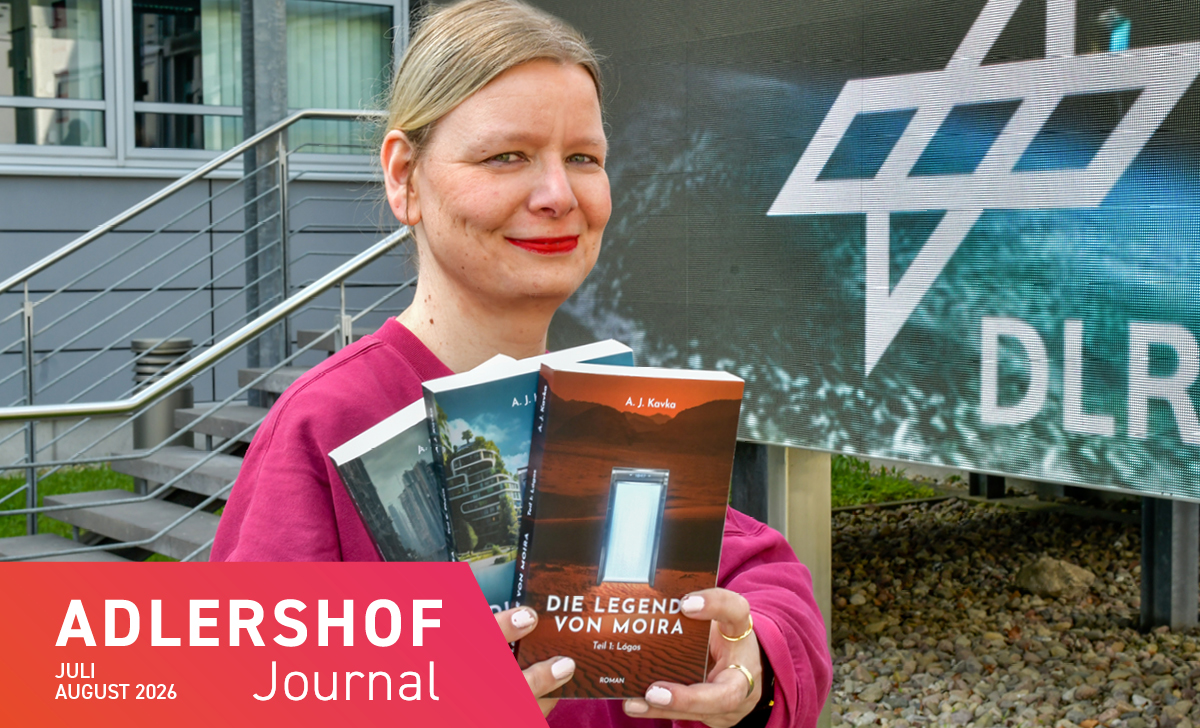
There’s also a lot going on in Stefanie Hennig's life. Anyone meeting the marketing expert is struck by her keen sense for what will happen in the future. Since January 2026, the 42-year-old has been Head of Marketing at Nanolope GmbH, where she works on solutions for the energy and heating transition in existing buildings. In her spare time, however, she shifts her focus from the present to the future by creating imagined worlds in fiction. “I have always written,” she says, from her first poems at primary school to screenplays and novels.
Her latest evening project is a science fiction trilogy entitled The Legend of Moira. Writing under the pen name A. J. Kavka, Hennig combines cyberpunk themes centred on artificial intelligence with questions surrounding climate change. Her stories explore how people might live in the future and the role sustainable urban planning could play. “What has always fascinated me is being able to immerse myself in other worlds and let my imagination run free,” she says. At the same time, writing has always been a way of processing contemporary experiences and emotions.
Her exploration of fictional futures has had very real consequences. While working on her novels, Hennig developed a growing interest in sustainable urban development, discovering things like reusable building materials or ideas like heating residential neighbourhoods using waste heat from data centres. “These concepts fascinated me so much that I decided to go back to university.” That decision led to a master's degree in Futures Studies with a focus on sustainable urban planning and mobility, and, ultimately, to her current role at Nanolope. In her case, a hobby became the inspiration for a new career.
Despite these close links, writing remains a world of its own. “Every story starts with a small idea,” she says, “which grows like a plant into a whole story.” Looking ahead, she has one wish above all: having plenty of new ideas. And, of course, “people who still want to read stories written by people.”
Chris Löwer for Adlershof Journal